
Egypt – Before the trip
Fulfilling one of my childhood dreams, I finally travelled to Egypt… and I was not disappointed.
We visited Cairo, Luxor, Aswan, and Abu Simbel — 4 very different places — along with museums, tombs, and temples that had lived in my imagination for years.
Before the trip, I tried to prepare as much as possible. And honestly, a little preparation really makes a difference in Egypt.
Here are a few things I learned along the way.
Visa
You can get your visa either on arrival at the airport or apply for an e-visa online. The cost is 25 USD in both cases.
We actually had two different experiences in our family.
My husband applied online, but one small mistake in the form led to a refusal. He had to apply again and pay a second time… not ideal.
My son, on the other hand, got his visa on arrival — it took less than 5 minutes, no form to fill, just a quick payment at the bank counter before passport control.
👉 From our experience, the visa on arrival is simple and stress-free.
SIM Card & Money
You can buy a SIM card at the airport, either in the luggage area or just outside.
I chose Orange, but honestly, the network was not always reliable.
Example:
42 GB ≈ 495 EGP
There are also exchange counters at the airport. The Egyptian pound has depreciated a lot, so overall, things feel quite affordable. 1 euro =55 EGP in 2026 January.
👉 If I did it again, I wouldn’t overthink this — just get a SIM card at the airport and you’re ready to go.
Transportation
In Cairo, it is very easy to use Uber. A ride from the airport to downtown costs around 250–300 EGP.
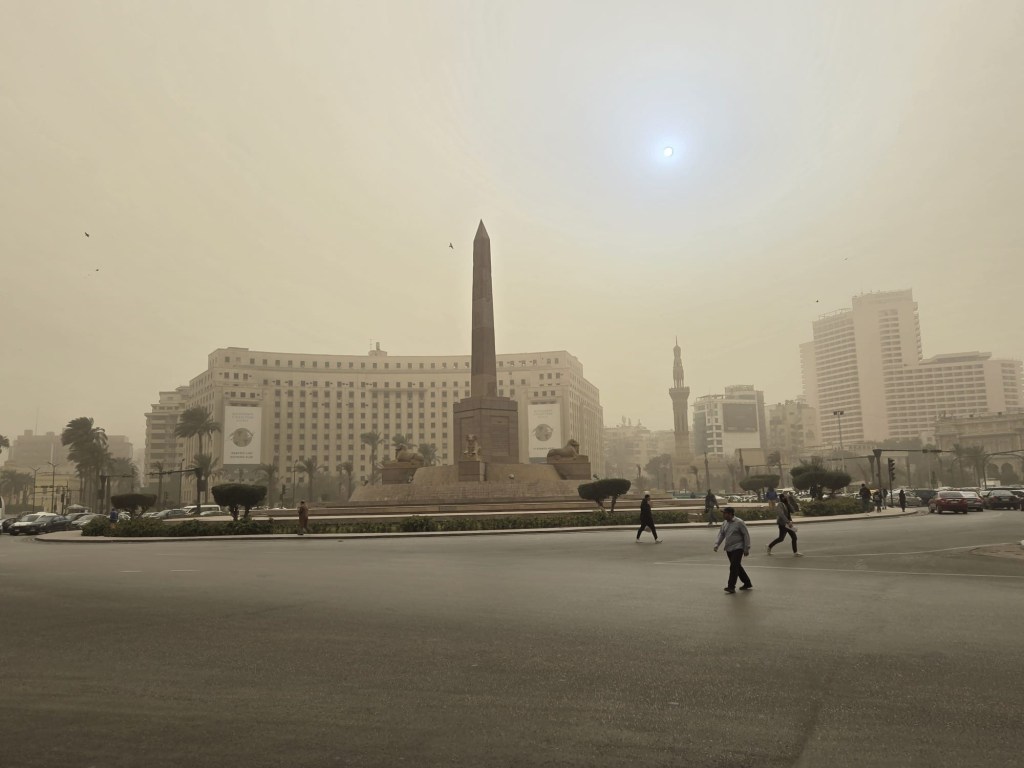
However, a small warning: some drivers may message you asking for extra money after accepting the ride. It happened to us a few times and can be a bit tiring, especially after a long flight.
In Aswan and Luxor, we used inDrive, which worked quite well.
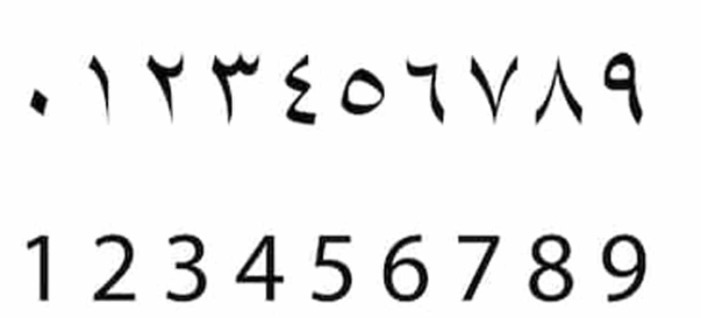
👉 One unexpected tip: learning Arabic numbers helps a lot when identifying license plates. It made things much easier for us.
Cash or Card?
Most major sites (museums, pyramids, etc.) only accept credit cards.
But in daily life, cash is still very useful.
We brought some USD and euros, mostly in small notes (5, 10, 20), and used them quite often — especially for tips or small purchases.
👉 Important detail: notes should be in good condition. Torn or marked bills are often refused.
Because of inflation, many hotels and tour companies actually prefer payments in foreign currency.
Negotiation
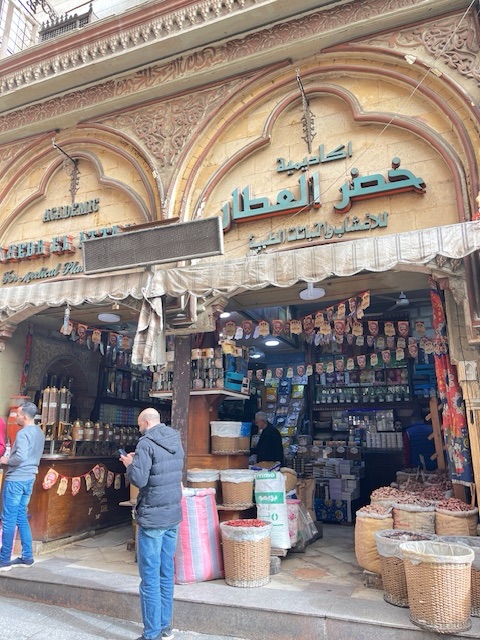
Negotiating is part of everyday life in Egypt.
Whether in markets or for activities like a felucca ride, prices are rarely fixed.
At first, it can feel uncomfortable… but after a while, it becomes almost a game.
👉 My approach: smile, take your time, and don’t take it too seriously.
Different Prices
You will quickly notice that entrance fees are different for locals and foreigners.
This is normal in Egypt and applies to most historical sites.
Food & Water
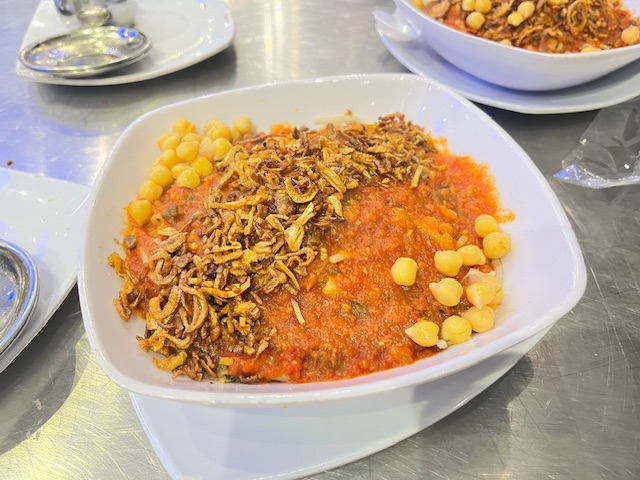
A few simple precautions helped us avoid any problems:
- Drink bottled water only
- Avoid raw salads if your stomach is sensitive
- Wash fruits with bottled or boiled water
👉 We were careful, and everything went smoothly during the trip.
Tipping
Tipping is part of the culture in Egypt.
- Restaurants: around 10–15%
- Guides and drivers: expected
- Toilets: often require a small tip
It may feel a bit surprising at first, but you get used to it quickly.
👉 I found it helpful to always keep small change with me.
Before You Go…
Egypt is not the most “comfortable” destination, but that’s also what makes it so special.
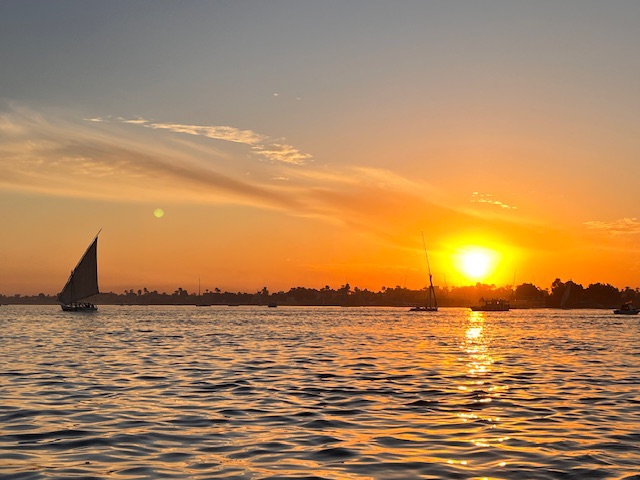
With a bit of preparation, you can avoid small frustrations and focus on what really matters — the history, the landscapes, and the unique atmosphere of this country.
In my next post, I’ll share our full itinerary across Cairo, Aswan, Abu Simbel, and Luxor — and how we balanced independent travel with a Nile cruise.
Celia So, Paris 2026

