
World War II remains one of the darkest chapters in human history. More than 55 million people lost their lives, the vast majority of them civilians. Among them were the countless victims the Nazi regime targeted for extermination or persecution: Jews, homosexuals, political prisoners, people with disabilities, the mentally ill, communists, and many others they deemed “undesirable.”
Between March 1942 and August 1944, approximately 75,000 people were deported from France, yet only 5,000 survived the war.
In northeast Paris, three train stations played a crucial role in these deportations. These stations were chosen for their quiet, rural surroundings, allowing the Nazis to carry out their crimes with as little public attention as possible.

Gare de Bobigny: A Preserved Witness of History
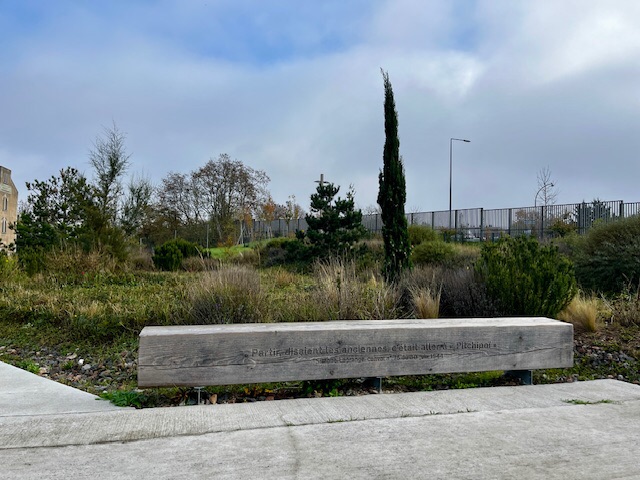
Among these stations, Gare de Bobigny is particularly significant. It is the only deportation station that has kept its historical appearance and has been transformed into a memorial since the 1990s. Visitors can still see:
- The rail lines that carried thousands to their deaths
- The vast empty space around the former merchandise hall, which served as an assembly point
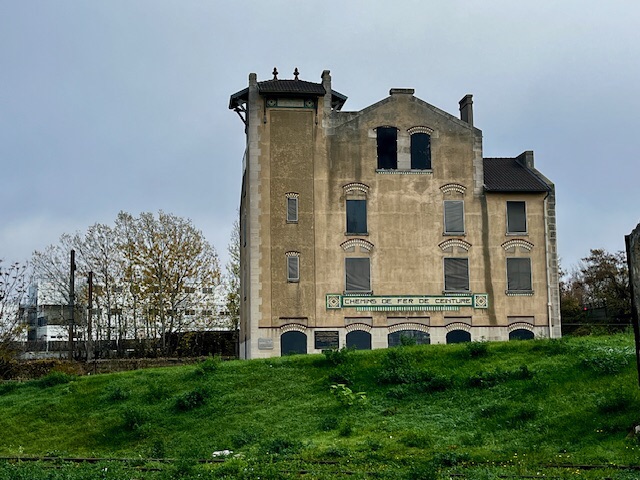
- The railway workers’ quarters, preserved from the period
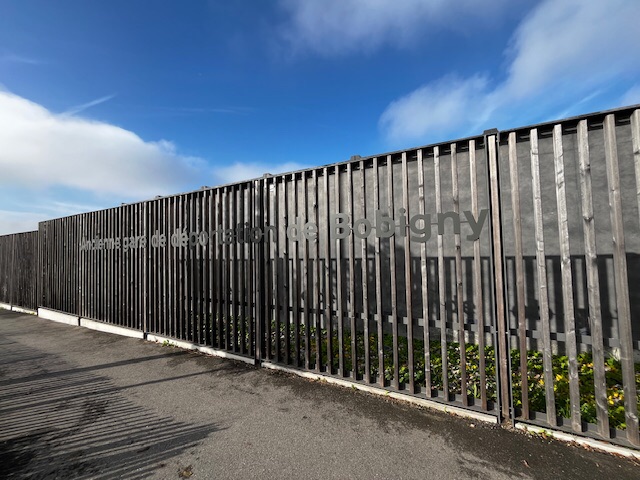
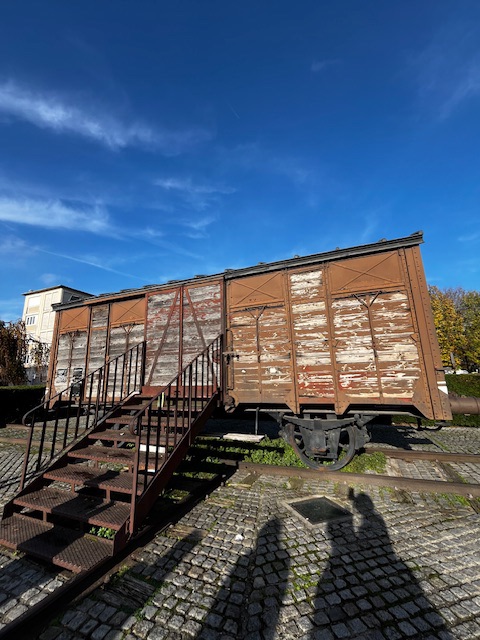
- A long metal wall enclosing the area, each segment matching the length of a train wagon once used for deportation—symbolizing the endless “train” of victims
Why Bobigny?
Originally, deportations began from Gare du Bourget (March 1942 – July 1943). But because Bobigny was even more isolated and discreet, the Nazis shifted operations there.
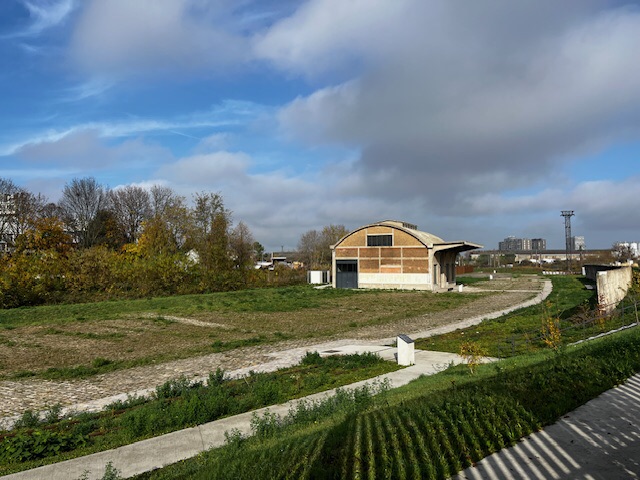
From 18 July 1943 to August 1944, one-third of all Jews deported from France to Auschwitz left from Bobigny.
In total, 22,500 people were sent away on 21 convoys from this station alone.

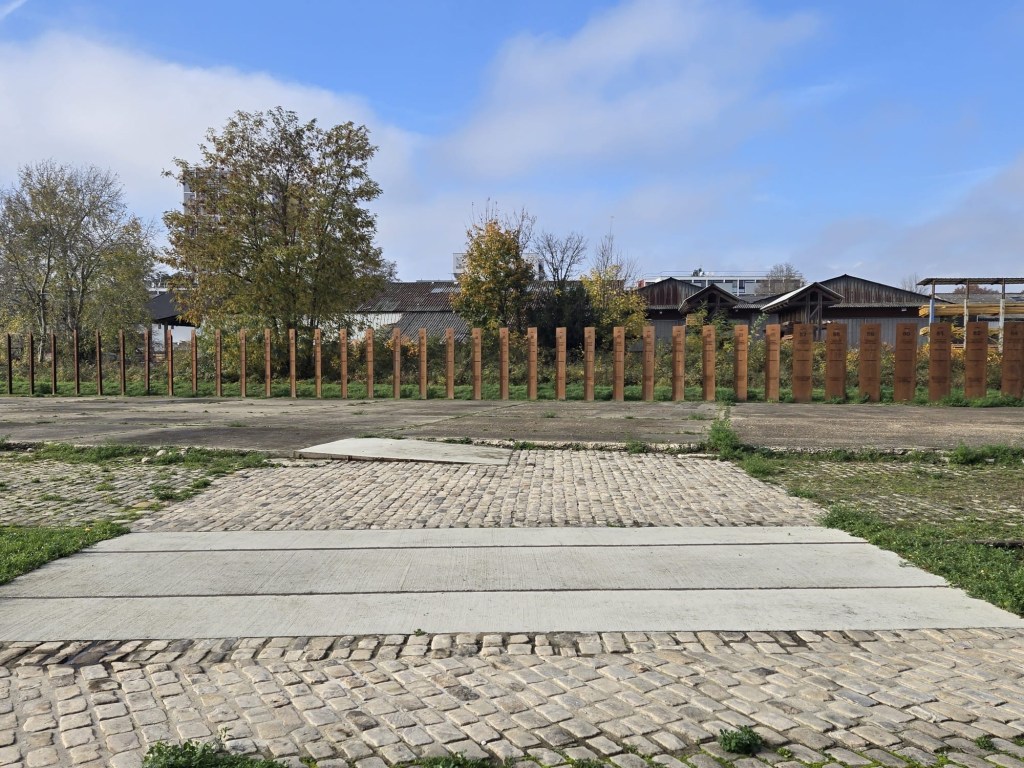
The Park of Memory: 79 Metal Steles
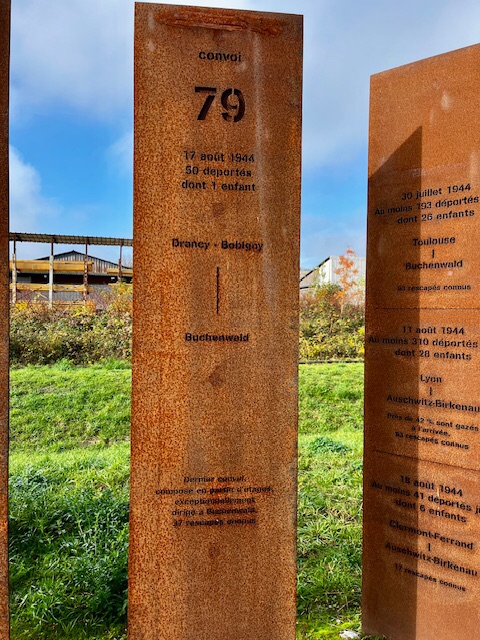
A moving memorial park now stands near the station. It contains 79 metal steles, each representing one deportation convoy that left France.
- The last 21 steles are angled differently, symbolizing the switch from Le Bourget to Bobigny as the deportation point.
- Each plaque lists:
- The convoy number
- The number of deportees, including children
- The departure and destination
- The number murdered in gas chambers upon arrival
Most convoys carried about 1,000 people, though some were significantly larger depending on circumstances.
The Children
One of the most heart-wrenching facts concerns the deported children. Initially, the Nazis did not plan to deport them.

It was French collaborators who insisted that children be sent to the camps as well—one of the darkest aspects of France’s involvement.
The Last Convoy
The final plaque marks a convoy of only 50 people. By then, everything was collapsing for the Nazis:
on June 4, 1944, Allied forces landed in Normandy and advanced toward Paris. As Germany retreated in August, they seized a last group of deportees—perhaps as hostages, perhaps out of revenge.
Drancy – Cité de la Muette: The Waiting Room for Death
Not far from Bobigny lies Drancy, a name synonymous with suffering.
Originally built in 1932 as an unfinished housing project, the site was first used in 1940 to hold French and British prisoners of war.
From August 1941, it became the primary internment camp for Jews awaiting deportation—mostly via Le Bourget.
Of the 76,000 Jews deported from France, 63,000 passed through Drancy.
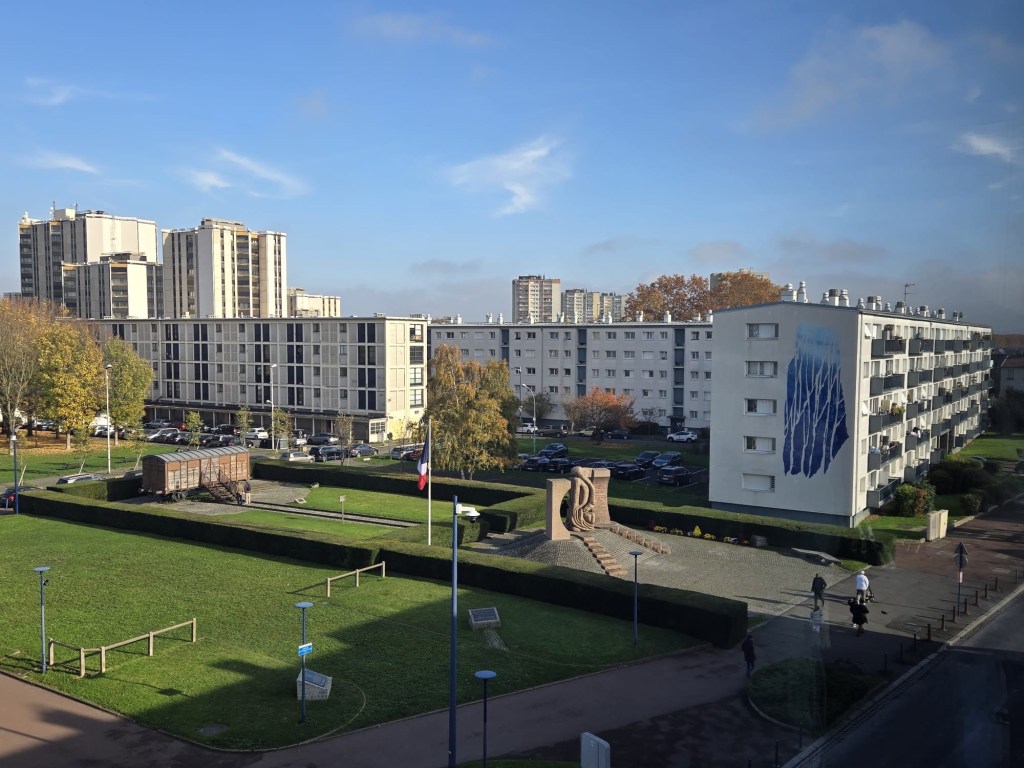
The camp’s design made it ideal for control:
- Five buildings forming a U-shape
- Overcrowded wooden bunk beds—no mattresses, sheets, or blankets
- Many people forced to sleep directly on the floor
- A central sanitary block where prisoners could shower only once every 15 days
After the War
A few years after WWII, the U-shaped buildings became social housing.
One wing retains its wartime appearance—its facade still visible with darkened window frames. During visits today, access is restricted and a security guard usually accompanies visitors; wandering freely is considered unsafe.
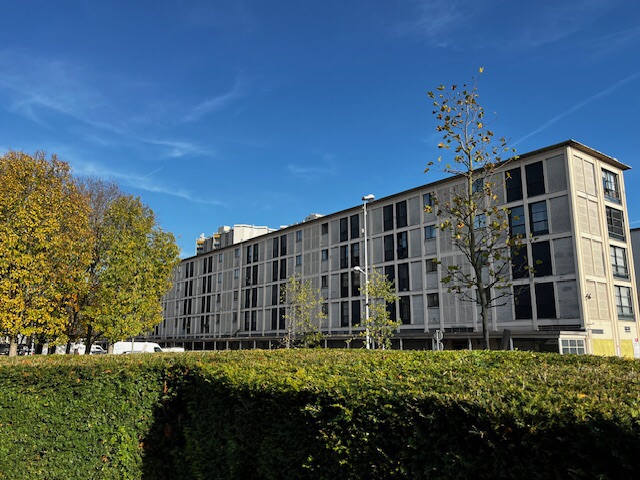
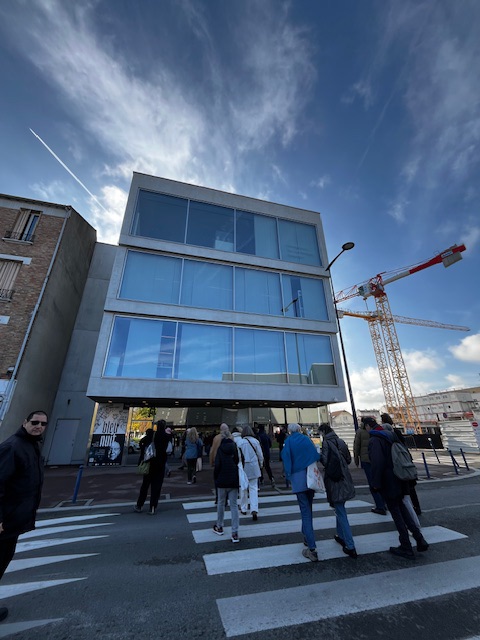
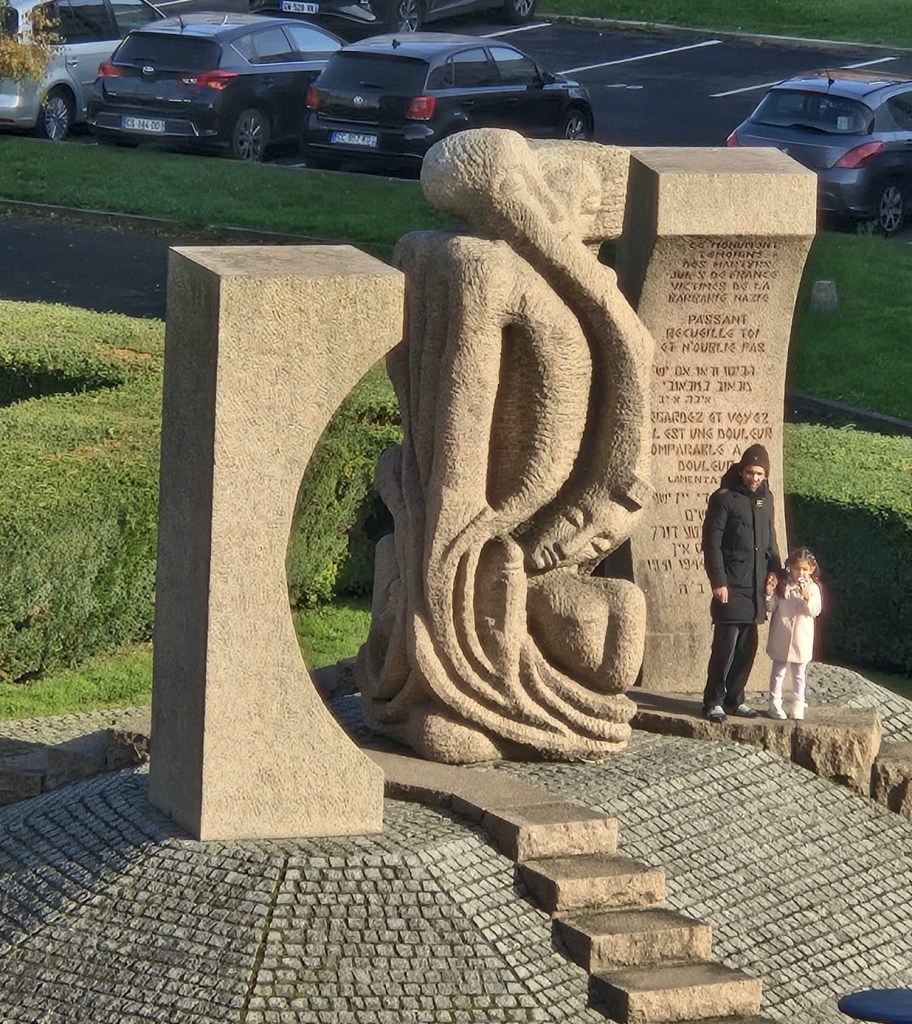
Outside the camp stands a powerful memorial sculpture, and directly across the road sits a documentation center (opened in 2014) providing extensive historical records on this grim period.
Why These Places Matter
The deportation sites at Bobigny, Le Bourget, and Drancy are more than historical locations—they are testimonies of ordinary places used for extraordinary crimes. Their preserved structures and memorials ensure that the victims of Nazi terror are not reduced to anonymous statistics.
By remembering these places, we not only honor those who suffered and died but also confront the uncomfortable truth that such atrocities were enabled not only by foreign occupiers but also by local collaboration.
Click on the lien for video https://www.instagram.com/reel/DRFMdQFjGOu/?utm_source=ig_web_copy_link&igsh=MzRlODBiNWFlZA==
Celia SO, Paris November 2025
 Celia SO Paris English and Cantonese private guide – Explore the city of Light with Celia SO